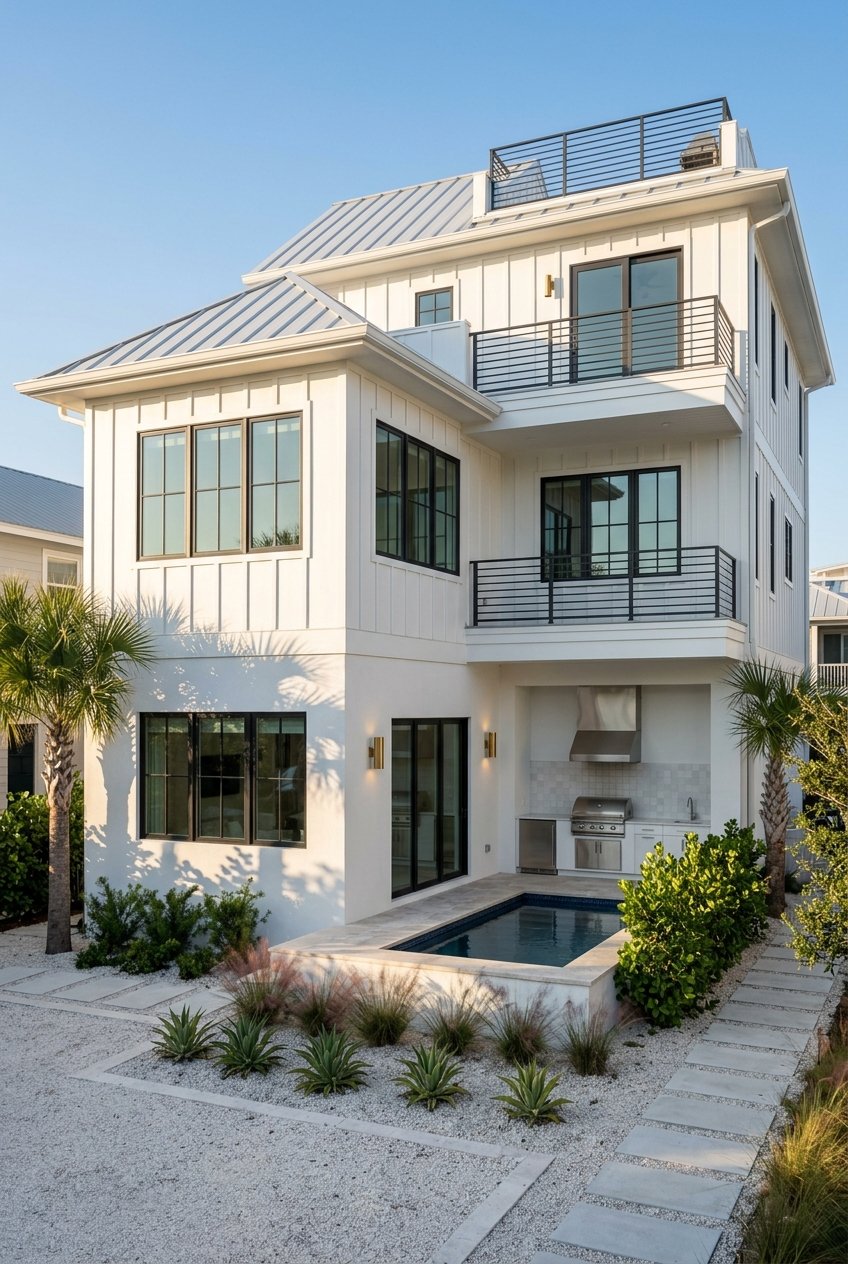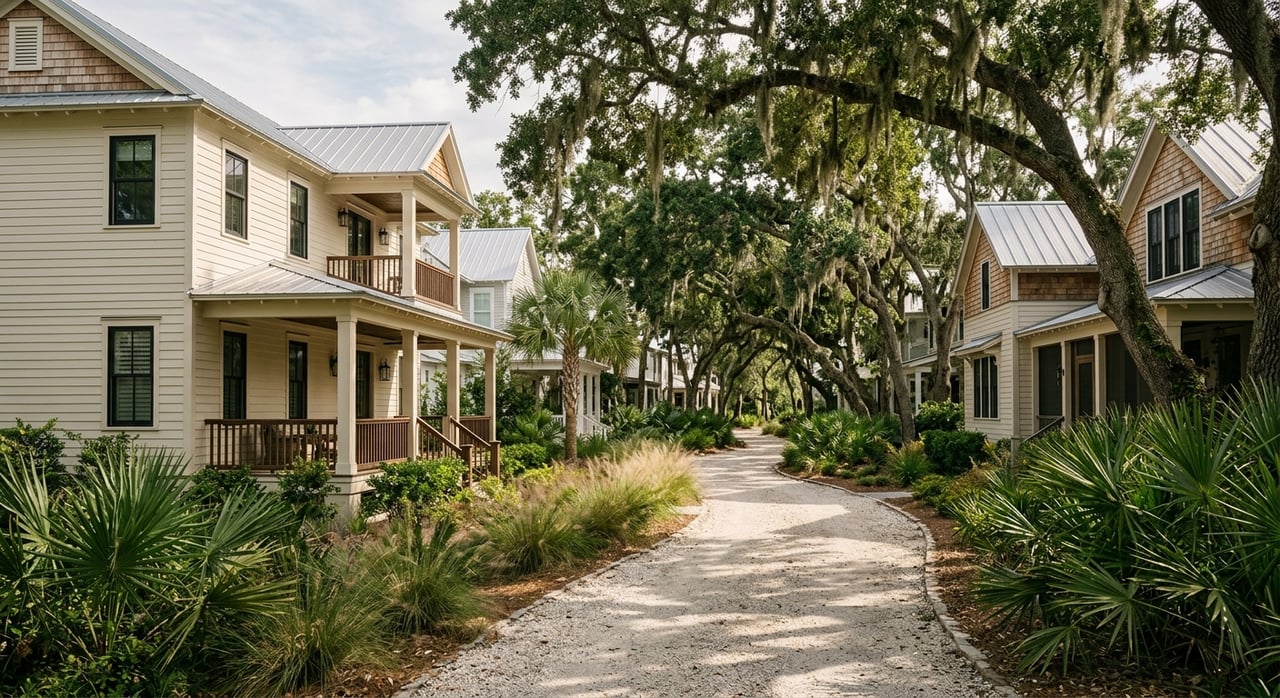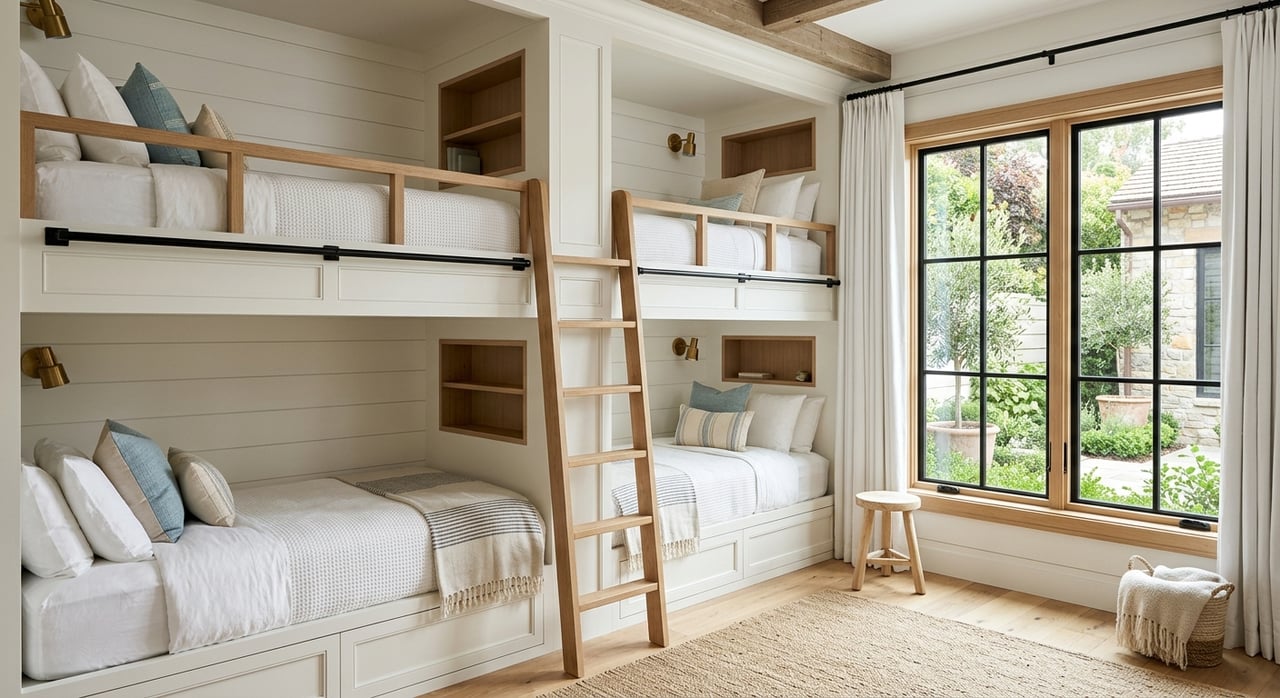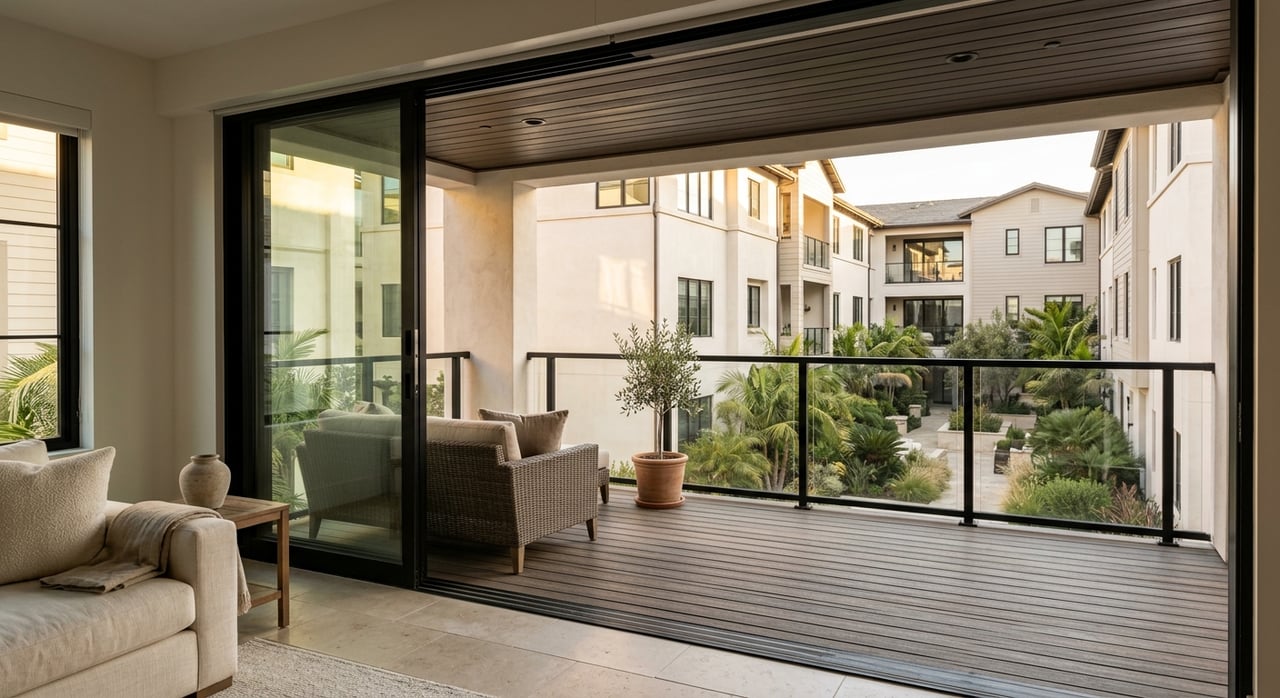
Wondering whether a condo or a home makes more sense in Seagrove Beach? It is a common question, especially when you are trying to balance beach access, privacy, upkeep, and possible rental use in one of 30A’s most distinctive coastal neighborhoods. In this guide, you will get a practical way to compare both options so you can focus your search with more confidence. Let’s dive in.
Why Seagrove Beach Feels Different
Seagrove Beach has a character all its own. South Walton describes it as a classic beach neighborhood with sugar-white sand, family-run businesses, oak and magnolia canopy, Eastern Lake nearby, and a mix of older beach cottages and amenity-rich suites.
That matters when you compare a home versus a condo here. In Seagrove, the decision is usually not about choosing between an urban high-rise lifestyle and a suburban neighborhood. It is more about choosing between a private cottage-style ownership experience and a shared, lower-maintenance coastal setup.
Another important detail is the area’s scale. Along this part of 30A, beachfront height limits preclude high-rise construction, which helps preserve Seagrove’s low-rise, laid-back feel.
Home vs. Condo in Seagrove
Choose a Home for Privacy and Control
If you want more privacy, a detached home often gives you more room to breathe. You are more likely to have separation from neighbors, more control over outdoor space, and a setting that feels more like a personal retreat.
This can be especially appealing if you picture longer stays, hosting family, or enjoying a quieter pocket of Seagrove. The neighborhood’s mix of older homesteads and newer cottages supports that cottage-style feel many buyers want along 30A.
A home may also fit you better if personalization matters. If you want flexibility in how the property looks and functions, a detached home usually offers more freedom, with the tradeoff of more responsibility.
Choose a Condo for Simplicity and Convenience
If your goal is easier ownership, a condo may be the better fit. Under Florida law, condominium associations are generally responsible for maintaining common elements unless governing documents assign certain limited elements to unit owners.
In practical terms, that usually means less day-to-day exterior upkeep on your plate. For many second-home buyers, that lock-and-leave simplicity is a major advantage.
A condo can also be appealing if you want shared amenities and easier access to the beach corridor. In Seagrove, condo inventory often clusters closer to 30A and beach access points, which can support a more convenient arrive-and-enjoy-it lifestyle.
Maintenance Is One of the Biggest Deciding Factors
What Homeownership Usually Requires
With a detached home, you should expect to handle more maintenance and repair responsibilities directly. That can include exterior upkeep, landscaping, storm preparation, and major items like roofing over time.
For some buyers, that extra responsibility is worth it. You may gain more control, more private space, and a property that feels more tailored to the way you want to live or host.
What Condo Ownership Can Simplify
A condo often reduces the number of moving parts you manage yourself. Because the association handles common elements, ownership can feel more streamlined for buyers who do not want to coordinate as much exterior maintenance.
That said, convenience is not the same as hands-off ownership. You will still want to understand the association structure, dues, and any property-specific responsibilities before you buy.
Privacy, Space, and Daily Experience
Homes Often Feel More Residential
If your ideal Seagrove property is a quiet place to settle in, a home may feel like the better match. Detached homes generally offer more privacy and fewer immediate neighbor interactions, which can matter if you are planning extended stays or frequent family visits.
In Seagrove, that often pairs well with interior streets and wooded pockets away from the busiest beach-access areas. For many buyers, that combination creates a more peaceful day-to-day experience.
Condos Often Feel More Turnkey
A condo usually means shared walls, shared spaces, and more proximity to neighbors. In return, you may get easier access to amenities, beach corridors, and a setup that is simpler to lock up and leave when you head home.
If you value convenience over separation, that tradeoff can make a lot of sense. It often comes down to how you want the property to function when you are actually using it.
Beach Access and Location Patterns in Seagrove
Seagrove offers multiple public beach access points, including One Seagrove, Ramsgate, and Eastern Lake neighborhood accesses. Nearby regional accesses commonly include features such as parking, restrooms, lifeguards, ADA boardwalks or parking, and beach-condition flags.
That access network influences how many buyers think about homes and condos here. If your top priority is being close to the beach with a simple routine, a condo near the 30A corridor may rise to the top of your list.
If you prefer a setting that feels more tucked away, a detached home may be a better fit. In Seagrove, homes are more likely to show up in older cottage streets and wooded interior pockets, while condos are more often clustered closer to beach access and the main corridor.
Rental Use Adds Another Layer
For buyers considering part-time rental income, the home-versus-condo decision is not just about lifestyle. It is also about rules, approvals, and operational fit.
Florida classifies vacation rentals in different ways, including condominium or cooperative units and individually owned dwelling units. The state also uses different license types for those categories.
DBPR says a license is required when the whole property is rented more than three times in a calendar year for periods shorter than 30 days, or when it is regularly advertised as a guest rental. Walton County also requires annual short-term vacation rental registration, and the county says the process requires a complete application even if you already have state licensing and tax registrations.
Why Condo Buyers Should Verify Documents Early
If you are leaning toward a condo and want rental flexibility, review the condo declaration and building rules early. A condo may work well as a short-term rental option, but only if the governing documents and applicable local and state requirements allow the rental pattern you want.
This is one area where assumptions can cause costly frustration. Two buildings in the same broader area can have very different rules.
Why Home Buyers Still Need County Review
If you are buying a home for short-term rental use, do not assume a detached property has fewer steps. Walton County says short-term rentals are permitted in many residential zoning districts, but they must satisfy compatibility, parking, occupancy, and design standards.
That means the property’s use case should be part of your due diligence from the start. If your plan includes guest stays, occasional personal use, or a hybrid approach, it is smart to evaluate that before you get too far into the process.
Taxes to Keep on Your Radar
If you expect to rent your Seagrove property on a short-term basis, taxes are part of the ownership picture. Florida Department of Revenue materials state that transient rental taxes apply to short-term accommodations such as condos, beach houses, and vacation houses rented for six months or less.
For ZIP code 32459, Walton County’s local option tourist development tax is 5%. That does not decide whether a home or condo is better for you, but it does affect how you think about projected rental use and operating costs.
Walton County also notes that some owner-occupied primary residences may be exempt from the county certification process if they meet the county’s homestead and occupancy conditions. For buyers planning only occasional rental use, that detail can be worth reviewing closely.
A Simple Way to Decide
If you are still torn, start with the questions that matter most to your lifestyle and ownership goals.
- Do you want more privacy or more convenience?
- Are you comfortable handling more upkeep in exchange for more control?
- Will this property be mainly for personal use, rental use, or both?
- Do you want to be closer to beach access, or would you rather be in a quieter interior pocket?
- Are you comfortable with HOA or association dues if they reduce your maintenance load?
In Seagrove Beach, the right answer is often less about property type alone and more about how you want the property to function over time. A home may give you the private coastal retreat feel many buyers picture. A condo may deliver the easier, amenity-supported ownership experience that fits second-home use or a more streamlined beach routine.
If you want help narrowing the options in Seagrove Beach, The Castle Group offers strategic, personalized guidance for 30A buyers who want to balance lifestyle, value, and long-term goals.
FAQs
Should I buy a home or condo in Seagrove Beach for a second home?
- If you want easier upkeep and a lock-and-leave setup, a condo may fit better. If you want more privacy, more control, and a cottage-style retreat, a home may be the stronger match.
Are condos in Seagrove Beach usually closer to beach access?
- In general, condo inventory is more likely to cluster near the 30A and beach-access corridor, while detached homes are more likely to appear in older cottage streets and wooded interior pockets.
Do Seagrove Beach condos have less maintenance than homes?
- Often, yes. Florida law generally places maintenance of condominium common elements on the association, while detached homeowners usually handle more exterior upkeep and repair budgeting themselves.
Can I use a Seagrove Beach home or condo as a short-term rental?
- Possibly, but you need to verify the applicable rules. Florida licensing requirements, Walton County registration requirements, and any condo or community restrictions should all be reviewed before you rely on a rental plan.
What taxes apply to short-term rentals in Seagrove Beach, Florida?
- Florida transient rental taxes apply to qualifying short-term accommodations, and Walton County’s local option tourist development tax is 5% for ZIP code 32459.
Is Seagrove Beach more high-rise or low-rise?
- Seagrove is a low-rise coastal market. Along this part of 30A, beachfront height limits preclude high-rise construction, which helps preserve the area’s lower-scale neighborhood character.