Thinking about buying a Seacrest Beach home while living in another state? You are not alone, and you do not have to figure it out by trial and error. In a coastal market like Seacrest, the right remote buying plan can help you avoid timing issues, insurance surprises, and rental-use mistakes. Here is how to approach an out-of-state purchase with more clarity and confidence. Let’s dive in.
Why Seacrest Appeals to Remote Buyers
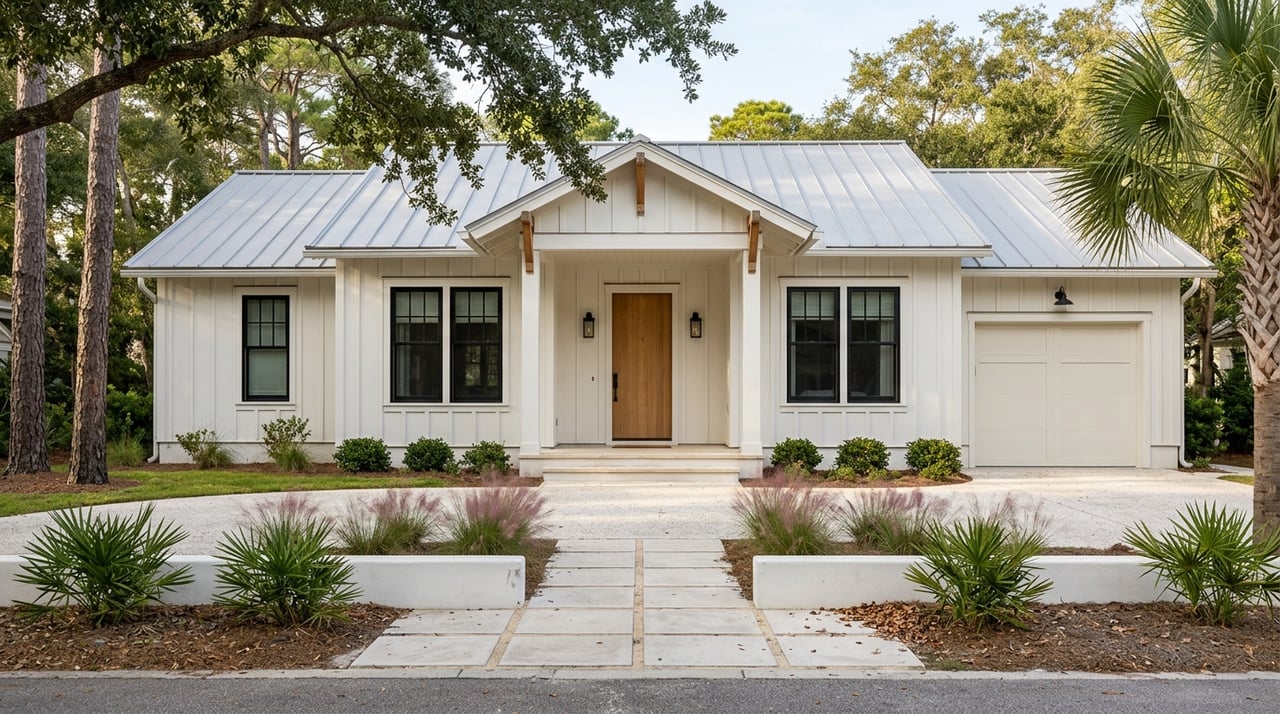
Seacrest sits on the eastern side of South Walton along Scenic Highway 30A. Visit South Walton describes it as neighboring WaterSound, with a lively town center, open green spaces, and a mix of cottages, condos, villas, and resorts.
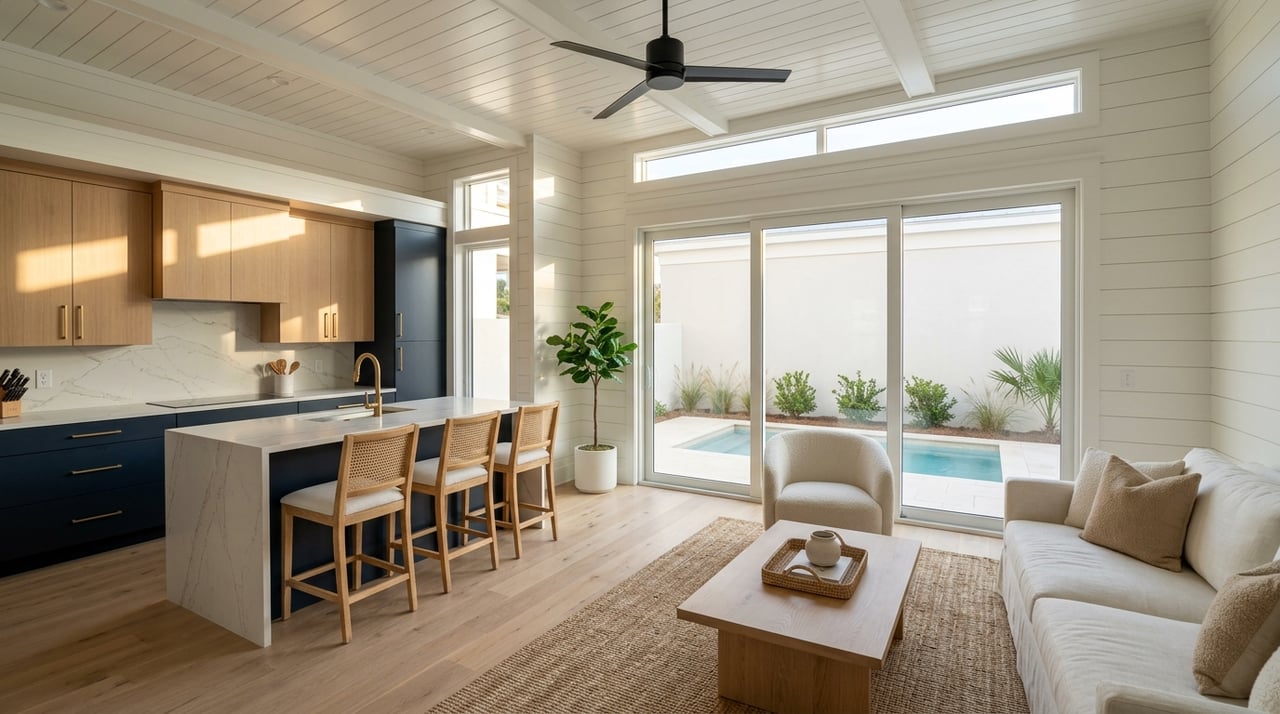
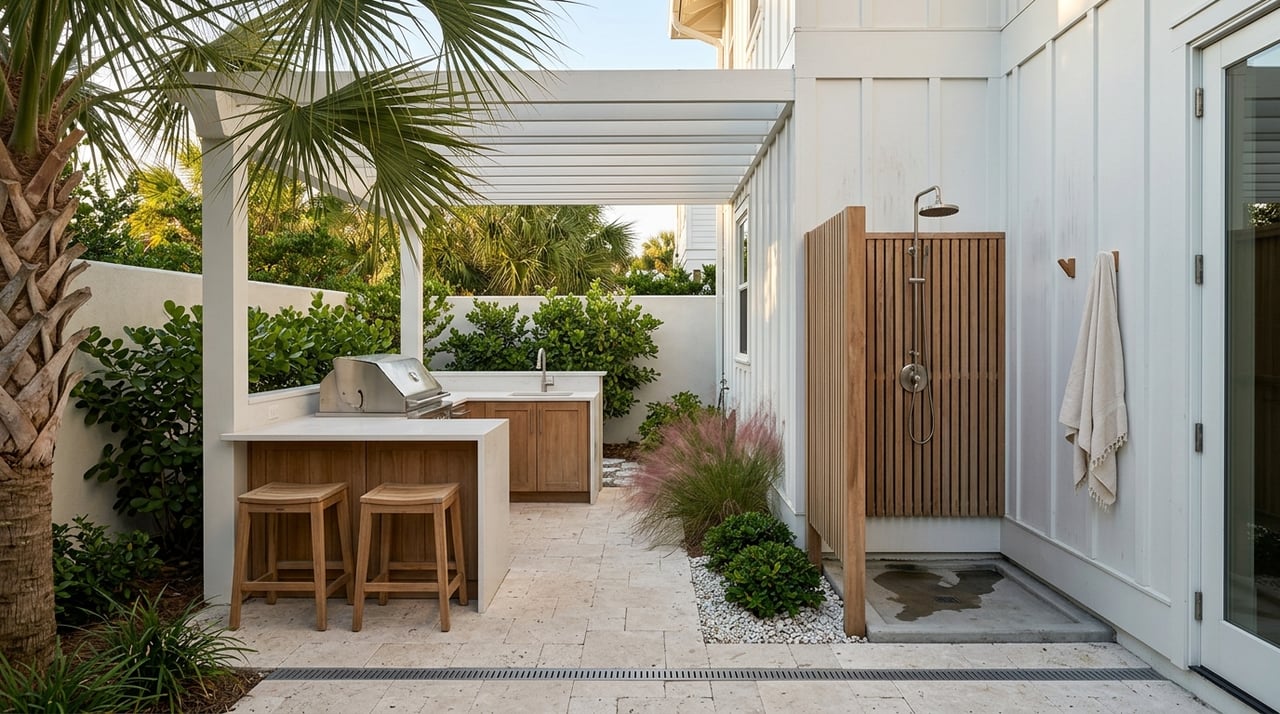
That variety matters when you are buying from out of state. You may be comparing a second home, a condo with lower-maintenance ownership, or a property that could also serve as a short-term rental. In Seacrest, the neighborhood setting is a meaningful part of the purchase, not just the square footage inside the home.
Start With Financing and Timing
If you plan to finance, get pre-approved early. This gives you a realistic budget and helps you move faster when the right property appears.
It also helps you understand the mortgage timeline before you are under pressure. The Consumer Financial Protection Bureau says lenders must provide a Loan Estimate within 3 business days after receiving a mortgage application.
Later in the process, you should also know how you will receive your Closing Disclosure. The same agency says buyers must receive that disclosure at least 3 business days before closing, and it recommends confirming in advance whether it will come by email, mail, or an online portal.
For out-of-state buyers, that detail is more important than it sounds. If documents arrive late or a delivery method is unclear, your closing schedule can get tight very quickly.
Build a Remote Touring Strategy
A live virtual tour can be a great first step when you cannot hop on a plane for every listing. It helps you narrow options, compare layouts, and decide which homes deserve deeper due diligence.
Still, a virtual showing should not replace verification. In Seacrest, where location and use can shape value, you should confirm details like:
- Property condition
- View corridors
- Parking
- Storage
- Furniture inclusion
- Beach access
- Rental access or restrictions
This is especially important if you are comparing condos, villas, or cottages with different ownership structures and use rules. Two homes can look similar online but function very differently in real life.
Move Quickly on Inspections
Once your offer is accepted, order inspections right away. Early inspections give you time to understand condition issues and decide whether to renegotiate or walk away before deadlines expire.
In a coastal purchase, inspection timing should also be paired with flood-risk and insurance review. That is not just a box to check. It can affect lender requirements and your real monthly or annual ownership costs.
The CFPB notes that if a property is in a Special Flood Hazard Area, a mortgage will generally require flood insurance. It also notes that standard homeowners insurance typically does not cover flood damage.
Another key point for remote buyers is that the seller’s current flood premium may not be your future premium. A new owner may face a different, risk-based flood insurance cost, so you want that reviewed early, not right before closing.
Leave Room in the Closing Calendar
One of the most common remote-buyer mistakes is building a closing timeline with no margin. If you live out of state, document delivery, lender coordination, and signing logistics can all take longer than expected.
That is why it helps to write offers with enough schedule flexibility. The CFPB notes that certain changes to the Closing Disclosure can trigger a new 3-business-day waiting period.
In other words, even a deal that feels nearly finished can hit a timing reset. A little breathing room in the contract can reduce stress and help you avoid last-minute scrambling.
Plan for Remote Signing in Florida
Before the contract becomes hard to unwind, ask how your closing will actually happen. Florida law allows an online notary who is physically located in Florida to perform an online notarization even if you, or any witnesses, are outside Florida.
Under Florida law, that notarization is treated as having been performed in Florida. For out-of-state buyers, that can make remote closing far more manageable.
The practical takeaway is simple: confirm your signing path early. Do not wait until the final week to learn what platform, identification, witnesses, or appointment timing may be required.
Decide If This Is a Second Home or Rental
Before you make an offer, be honest about how you plan to use the property. In Seacrest, the answer can affect registration steps, taxes, management expectations, and your ownership model after closing.
If the home will be for personal use only, your checklist will look different than someone buying with rental income in mind. If you might rent it even part of the year, it is smart to understand those rules before underwriting the purchase.
If You Plan to Use It as a Short-Term Rental
Walton County defines a short-term vacation rental as a unit rented more than three times in a calendar year for periods of less than 30 days or one month, or otherwise advertised or held out as regularly rented to guests.
The county requires annual registration, with a $300 annual fee per structure for individual registrations. It also states that Florida Department of Revenue registration, Florida DBPR registration, and Walton County Tourism Development Tax registration are prerequisites for county short-term rental registration.
That matters because operating without registration can lead to penalties of $500 per day. For out-of-state buyers, this means regulatory readiness should be part of your acquisition plan, not something you figure out after the keys are in hand.
If you are modeling income, taxes matter too. Florida Department of Revenue says transient rental taxes apply in addition to state sales tax and any discretionary surtax, and Walton County’s South Walton transient rental tax is 5% of rent plus required non-refundable fees.
If you plan to hire local management from another state, pay close attention to Walton County’s responsible-party rules. The designated responsible party must be available 24/7, able to respond within one hour of notification, and able to monitor the property at least weekly.
The county also requires guest agreements to address occupancy, noise, trash and recycling, evacuation, and parking terms. Short-term rental advertising must include the certificate number and the tourism development tax registration number.
If You Plan to Use It as a Second Home
If this will be a true second home, do not assume it will receive homestead treatment. Walton County’s Property Appraiser says homestead eligibility requires the owner to reside in the property and intend it as a permanent home as of January 1.
The application deadline is March 1. For many out-of-state second-home buyers, that means homestead treatment usually should not be expected unless the property later becomes your primary residence.
If you may rent the property for part of the year, the analysis can become more nuanced. Walton County’s FAQ says homestead-based exemption depends on ongoing full-time owner occupancy and recommends completing the certification process if the property will be rented for extended periods, such as three months or more each year.
For condo purchases, Walton County notes that condominiums are excluded from that certification process, but state and local tax and registration requirements can still apply. That is why condo buyers should review the declaration, rental rules, and management requirements separately.
Understand Florida Closing Costs
Before closing day, compare your Closing Disclosure to your earlier Loan Estimate. The CFPB notes that in a financed purchase, the mortgage closing and the home purchase closing typically happen at the same time.
For Florida-specific transfer costs, the Florida Department of Revenue says documentary stamp tax on deeds outside Miami-Dade is 70 cents per $100 of consideration. Mortgages are taxed at 35 cents per $100, and there is also a separate nonrecurring intangible tax of 2 mills on mortgage debt secured by Florida real property.
The lender is generally liable for the intangible tax, but that cost may be passed to you as the borrower. If you are buying from out of state, it helps to review these line items early so there are no surprises in your final cash-to-close number.
Final Checks Before You Close
As closing approaches, keep your final review practical and organized. This is the stage where a strong checklist can protect both your timeline and your budget.
Make sure you confirm:
- Who is sending the Closing Disclosure
- How you will receive it
- Whether flood insurance is required
- What your projected insurance costs will be as the new owner
- Whether furniture or other included items are documented correctly
- Whether any rental registration needs to be transferred or closed after sale
If the property was previously operated as a short-term rental, Walton County says owners who sell or stop operating should notify the county, pay any outstanding fees, and remove advertisements so the account can be closed. That is one more detail worth verifying before and after closing if rental use is part of the property history.
A Better Way to Buy From Afar
Buying a Seacrest home from another state can absolutely work, but it works best when you treat the process like both a lifestyle decision and a detailed transaction plan. The right home may be the one with the beach access, layout, and neighborhood feel you want, but the right purchase also accounts for flood review, signing logistics, taxes, and intended use.
If you want calm, local guidance as you compare Seacrest options from afar, The Castle Group can help you build a smart buying plan and move with confidence.