Thinking about buying a condo in Blue Mountain from out of state? You are not alone, and you are also right to slow down before booking a flight or writing an offer. In a beach market like Blue Mountain Villas, the right unit is not just about the view or the finishes. It is also about documents, access, insurance, reserves, and how you plan to use the property. This guide will help you focus on what matters most so you can narrow your options with confidence. Let’s dive in.
Why Blue Mountain Villas Stands Out
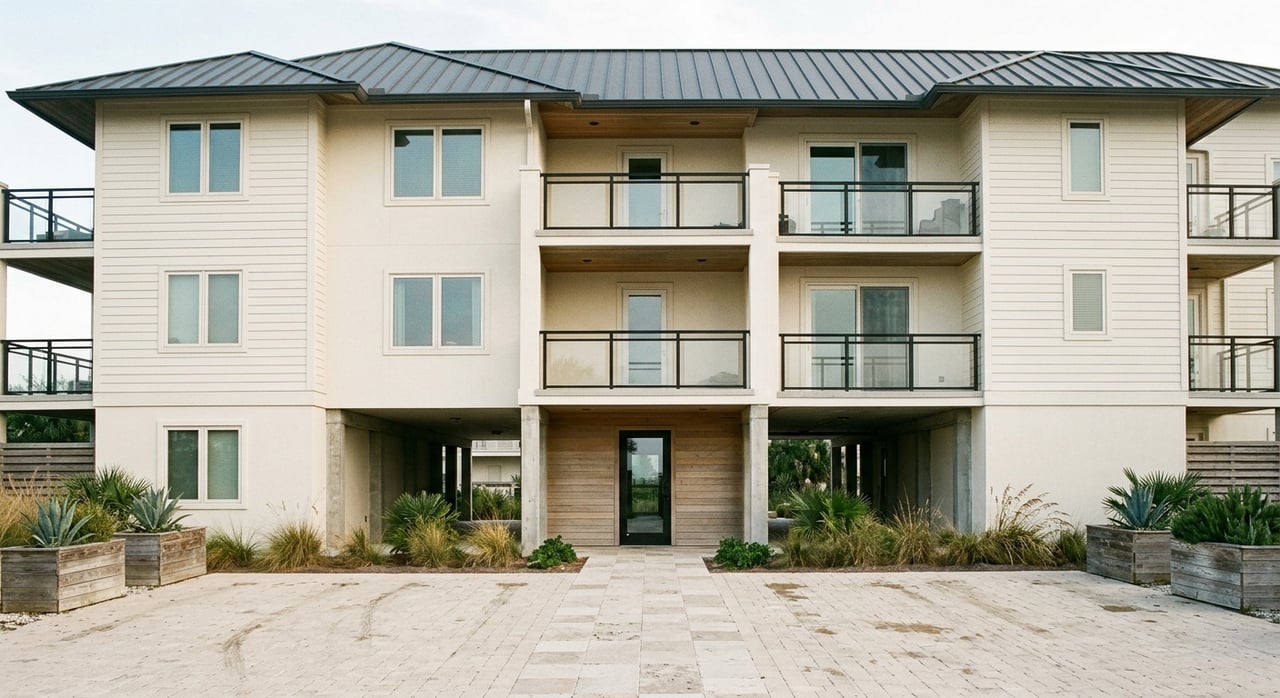
Blue Mountain Villas is located at 214 Blue Mountain Road in Santa Rosa Beach and is described in current marketing as a 12-unit bluff-top condo community with private beach access, Gulf views, a grilling area, and one-, two-, and three-bedroom residences. That smaller scale matters if you want a more intimate condo setting instead of a large resort-style building. It also means each unit can feel more distinct in layout, view, and use case.
The location adds to the appeal. Walton County describes South Walton as home to 26 miles of white-sand beaches, 16 beach neighborhoods, more than 200 miles of trails, four state parks, and 15 coastal dune lakes. In Blue Mountain, buyers are often looking at more than the unit itself. You are also buying into beach access, walkability, and a lower-density coastal setting that shapes everyday use and long-term value. You can learn more about the area through Walton County’s South Walton beach overview.
What Makes Blue Mountain Different
One important local detail is the area’s planning framework. The county’s Blue Mountain Beach Neighborhood Plan is intended to preserve the original subdivision’s character and single-family designation. It limits future development in that overlay to detached single-family dwellings and accessory structures, while prohibiting condominiums, duplexes, multifamily, and commercial uses.
For you as a buyer, that helps explain why existing condo opportunities in this area can feel limited. It also reinforces why established beach access, walkability, and neighborhood-scale surroundings are a meaningful part of the value equation when you compare Blue Mountain Villas with other coastal options.
Start With a Remote-Buyer Workflow
If you live out of state, your first goal is not to see everything. It is to rule out the wrong options quickly and keep your time focused on the units that truly fit. In most cases, the smartest workflow is video first, documents second, travel third.
Florida condo ownership is highly document-driven. According to the Florida DBPR condo records guidance, associations must maintain official records such as the declaration, bylaws, rules, minutes, and financial records, and prospective purchasers should have access to key materials including the declaration, bylaws, rules, current question-and-answer sheet, year-end financial information, and inspection reports.
That means you can answer a lot of important questions before you ever get on a plane. For an out-of-state buyer, that is a major advantage.
Documents to Review Early
Ask for these items as soon as a unit reaches your serious short list:
- Declaration of condominium
- Bylaws
- Rules and regulations
- Current budget
- Recent meeting minutes
- Current question-and-answer sheet
- Any structural integrity reserve study documents
- Any milestone inspection documents
- Insurance details for the association
The DBPR condo FAQ page makes clear that records access is a normal part of the process, not an unusual request.
Review HOA Fees the Right Way
Out-of-state buyers often focus first on the monthly HOA number, but the better question is what that number covers and what it might not cover later. One current Blue Mountain Villas listing shows a $489 monthly HOA fee for a 1-bedroom unit, with coverage that includes accounting, grounds keeping, insurance, management, cable TV, and trash. You can see that example in this Blue Mountain Villas listing snapshot.
That sounds straightforward, but the monthly fee is only part of the cost structure. You also want to know whether the association has strong reserves, whether major repairs are coming, and whether owners could face a special assessment. In an older coastal building, those questions are especially important.
Ask About Reserves and Inspections
Florida’s condo reserve rules matter a lot in a building like this. State guidance says buildings that are three stories or higher are subject to structural integrity reserve study requirements. State materials also say associations existing on or before July 1, 2022, and controlled by unit owners must complete a SIRS by December 31, 2025. The study must identify inspected items, remaining useful life, estimated replacement cost or deferred maintenance expense, and a reserve funding schedule. More details are available through the Florida DBPR condominiums and cooperatives page.
A current listing identifies Blue Mountain Villas as a 3-story building built in 1983. That does not mean there is a problem. It does mean reserve history, milestone inspection history, and any special-assessment exposure deserve close review before you move forward.
Key Questions to Ask
Before you make an offer, ask:
- Has the association completed a SIRS?
- Are there any upcoming capital projects?
- Have there been recent or pending special assessments?
- Are milestone inspections complete, pending, or recommended?
- How much is currently held in reserves?
- Have owners been notified of any major deferred maintenance items?
Match the Layout to Your Goal
Blue Mountain Villas appears to offer a wide range of unit types, from compact 1-bedroom condos to larger gulf-front residences. That matters because the right fit depends on how you plan to use the property. A smaller 1-bedroom may work well if your goal is simple owner use or a lower-maintenance beach getaway. A larger 3-bedroom unit may offer more flexibility for hosting, multi-generational use, or broader guest appeal if rentals are allowed.
When comparing units, focus on practical fit instead of just square footage. Balcony or patio setup, bedroom count, bunk space, bathroom count, and overall flow can all affect whether a condo works better as a second home, occasional getaway, or income-producing asset.
Understand Rental Rules Before You Underwrite
If rental income is part of your plan, do not assume that one listing tells the whole story. One Blue Mountain Villas listing references daily or weekly lease use, which suggests active vacation-rental activity in at least part of the community. Even so, you still need to verify the specific unit’s governing documents before relying on any rental projection.
Walton County states that condominiums are excluded from the county certification process, but state DBPR, Florida Department of Revenue, and county tourist development tax registrations still apply. The county also notes that homeowners associations may regulate activities within their covenants, which means rental minimums, owner-occupancy rules, parking rules, and pet rules can still shape what you can actually do. You can review those details in the Walton County vacation rental FAQ.
Rental Costs to Factor In
If you plan short-term rentals, your model should include more than gross revenue. Florida says rentals of accommodations for six months or less are taxable, and Walton County Tourism says South Walton’s bed tax is 5%. Walton County also lists annual vacation-rental registration at $300 per property, with a stated penalty of $500 per day for operating without registration. You can confirm those tax details through the Florida Department of Revenue local tax information.
That is why experienced buyers separate three issues:
- Whether the condo documents allow rentals
- What registrations and taxes apply
- Whether the net income still works after fees and compliance costs
Beach Access and Parking Matter More Than You Think
In Blue Mountain, convenience can shape both lifestyle and long-term appeal. Walton County says neighborhood accesses in Blue Mountain are intended to remain pedestrian-only and neighborhood-scale. The county also expanded a free beach tram route in March 2026 that includes Blue Mountain Regional Beach Access, adding another access-related convenience point for the area.
Listings for Blue Mountain Villas place the property just past beach access, which supports the idea that walkability to the beach is a core feature, not a minor perk. If you are comparing condos from out of state, ask very practical questions about how the beach is reached, whether guest parking is available, and whether the unit works well without relying on a car every day.
Address Flood and Insurance Early
For a beach condo, flood and insurance questions should move to the front of your checklist. Walton County notes that NFIP flood insurance is available to county residents and that standard homeowners insurance does not cover flooding. The county also provides flood-zone lookup tools.
For you, that means three things should be verified early:
- The unit’s flood-zone status
- The association’s master insurance policy
- The owner’s likely HO-6 coverage needs
These items affect both ownership cost and risk management. They also help you compare properties more accurately, especially if two units look similar at first glance.
A Smart Short-List for Out-of-State Buyers
When you cannot tour every option in person, a simple filter can save time and reduce stress. Focus on the few factors that most directly affect how you will own and use the condo.
Use This Blue Mountain Condo Filter
- Layout fit: Does the floor plan match your owner-use or guest-use goals?
- Cost structure: What do HOA dues include, and are there reserve or assessment concerns?
- Rental model: Are rentals allowed, and do taxes and registration still leave a workable net?
- Access and logistics: Is beach access truly walkable, and how does parking work?
- Risk management: Have you reviewed flood-zone, insurance, SIRS, and inspection details?
This kind of framework is especially useful when you are buying remotely and trying to stay objective.
Final Thoughts for Remote Buyers
Buying a condo in Blue Mountain can be a strong lifestyle move, a strategic second-home purchase, or an investment-minded decision, but only if the details support the story. In a smaller coastal community like Blue Mountain Villas, the best opportunities usually come from understanding the documents, the true cost structure, the beach access, and the ownership rules before you get emotionally attached to a unit.
If you want help evaluating a Blue Mountain condo from a distance, Charity Jeffrey offers the kind of practical, high-touch guidance that can make a remote purchase feel much more manageable, from early screening to a smarter short list.
FAQs
What should out-of-state buyers review before touring a condo in Blue Mountain Villas?
- Review the declaration, bylaws, rules, budget, recent minutes, question-and-answer sheet, and any SIRS or milestone inspection documents before booking a trip.
What HOA costs should buyers expect at Blue Mountain Villas?
- One current listing shows a $489 monthly HOA fee for a 1-bedroom unit, and that fee includes items such as accounting, grounds keeping, insurance, management, cable TV, and trash.
What rental rules matter when buying a Blue Mountain condo?
- You should confirm whether the unit’s governing documents allow rentals, whether there is a minimum stay requirement, and what taxes and registrations apply to short-term rental use.
What reserve and inspection issues matter in older Florida condo buildings?
- In a 3-story coastal building, buyers should ask about structural integrity reserve studies, milestone inspection history, reserve funding, and any pending or recent special assessments.
What insurance questions should buyers ask about a Blue Mountain beach condo?
- You should verify the flood zone, review the association’s master policy, and understand what HO-6 coverage you may need because standard homeowners insurance does not cover flooding.
What makes Blue Mountain appealing beyond the condo itself?
- The area’s appeal includes beach access, walkability, neighborhood-scale surroundings, and proximity to South Walton’s larger network of beaches, trails, parks, and coastal dune lakes.